
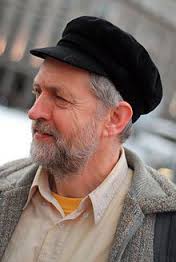
 I like Jeremy Corbyn. I met him once on a dark railway platform in Blackpool, catching a train back to London towards the end of a Labour conference in the early noughties, and we got talking. Although I was a mere conference delegate from Greenwich he gave me his verdict on the Blairite stitch-ups, stage management and backstage arm-twisting that had gone on as generously and candidly as he would have spoken to a fellow MP or indeed anyone who had asked him for his opinion.
Everyone who lives in his Islington North constituency says he is a dedicated, hardworking MP. He lacks the vanity that afflicts so many other long-serving left-wing Labour MPs (step forward, Diane Abbott). Nor does he have the pious self-righteousness of John McDonnell, George Galloway or Tam Dalyell. And his serial rebelliousness has never quite crossed the line into outright support of candidates opposed to Labour (unlike Ken Livingstone, he has steered well clear of endorsing the odious Lutfur Rahman in Tower Hamlets, just a few miles down the road from Islington North).
Many of the “loony left” causes that Corbyn backed in the 1980s – gay rights, a negotiated settlement to the carnage in Northern Ireland, justice for the Guildford Four and Birmingham Six, public control of the banks, an end to the Apartheid regime in South Africa – look, with hindsight, very unloony: all became mainstream orthodoxy in the nineties or noughties. Many of his current policy proposals – a national investment bank, renationalisation of the railways, and investing in green technology rather than Trident renewal – are spot on. Continue reading
 Just occasionally, you meet someone with a life story so extraordinary that you pinch yourself as you hear it. Jeremy Hutchinson – one of Britain’s leading criminal barristers throughout the 1960s and 1970s, former chairman of the Tate Gallery, former husband of Peggy Ashcroft, and still going strong today – is one.
 Hats off to the

 What is it about some sections of the liberal left and Charlie Hebdo? The decision of six authors to withdraw from PEN’s annual gala, over the organisation’s decision to honour Charlie Hebdo with its ‘Freedom of Expression Courage’ award, is stomach-churning. The


 Alex Grant